About · Born out of survival.
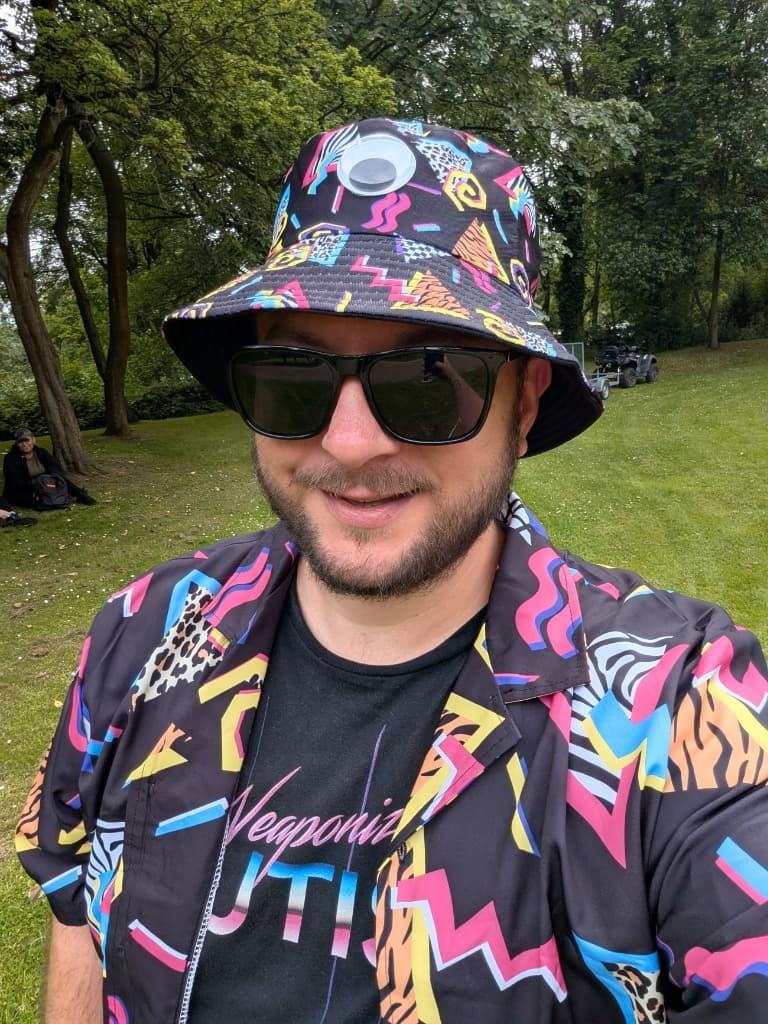
Meet Ollie - late-diagnosed AuDHD founder of neurodivers³. Stories, tools, and systems for the wired-different brain.
Ollie is a late-diagnosed AuDHD adult, a recovering "weird kid", and the brain behind neurodivers³.
"neurodivers³ was born out of survival."
Welcome. I'm so glad you stumbled in.
For thirty-odd years, I was just "weird Ollie." I never quite fit. I had the quiet, nagging suspicion that everyone else had been handed an instruction manual to life, and I was left winging it, trying too hard, getting it wrong, and never understanding why.
I spent decades wondering why the simple things never felt simple. Why existing seemed to take so much effort. Why fluorescent lights felt like physical attacks. Why my brain could latch onto a topic with burning intensity and then drop it without warning. Why replying to a basic email could feel like climbing a mountain.
For all those years, I didn't have the right words for any of it. So I reached for the explanation that seemed most obvious at the time:
I thought I was just bad at being a human.
Then, in my thirties, the noise finally shifted into language. I was diagnosed with AuDHD (Autism and ADHD), and the story I had been telling myself began to change.
It turns out I wasn't broken, or difficult, or not trying hard enough. I was just running a completely different operating system, and following the wrong instruction manual.
I built neurodivers³ because I needed a place to share my journey to and through that diagnosis. It's a space about masking, burnout, BPD, depression, grief, loss, relationships, physical health, and the long, uneven process of looking back at a life I finally had new language for.
It's about what happens after the labels arrive. The messy, beautiful, sometimes hilarious, and often grieving work of unlearning who I thought I had to be, and figuring out how to human on my own terms.
What I'm building here
- •Stories for the things we didn't have words for
- •Tools that don't punish restarting
- •Small experiments for calmer digital life
The messy middle
neurodivers³ is for the part no one ever puts in the neat before-and-after story.
- ▪The abandoned planners.
- ▪The unread messages.
- ▪The sensory hangovers.
- ▪The graveyard of browser tabs you swear is a system.
- ▪The sudden grief of realising how long you spent blaming yourself.
Around here, we don't treat capacity as character. We don't pretend "just start" is useful advice when the starting line keeps moving. And we don't measure a brain's worth by how neatly it performs being fine.
If any of that lands, you're in the exact right place. None of it is a character flaw.
"Some things that look like contradictions from the outside are actually just the same brain showing up in different conditions."
This is exactly why neurodivers³ is built around gentler systems, clearer language, and digital tools that are fully allowed to be restarted.
What that means in practice
Energy matters
Capacity is biological, not moral. The tools need to work with the energy you actually have today, not the energy you wish you had.
Restarting counts
Losing the thread is part of the design brief. Nothing here should punish you for coming back after a bad week, a busy month, or a total system collapse.
Less noise helps
High contrast, clear structure, low cognitive load, and sensory-aware design are not aesthetic extras. They are accessibility needs.
What lives here
Stories
Writing about masking, burnout, late diagnosis, grief, attention, sensory overwhelm, and the strange relief of finally having language for yourself.
Tools & templates
Notion systems, PDFs, checklists, and small digital supports built for low-spoon, restartable use.
Labs
Free experiments in calm tech, sensory-friendly design, and tiny tools for moments when a full system is too much.
Memoir
The longer story, written in public and in pieces.
The short version
The longer version lives in the memoir, but the shape of the timeline is this:
Before the language
Years of being "weird Ollie", trying harder, masking better, and assuming everyone else had somehow been given the instructions.
The crash
The point where pushing through stopped working and survival started asking for more than just coping.
The wrong labels
Years of trying to understand myself through clinical explanations that helped a bit, missed a lot, or didn't quite fit.
The diagnosis
AuDHD gave me language. It didn't magically fix everything, but it entirely changed the map.
The rebuild
Learning to design my environment around the brain I actually have, not the one I kept trying to perform.
neurodivers³
Turning that messy, unfinished process into writing, tools, and experiments that might help someone else feel a little less alone.
THE MEMOIR
Some parts of the story simply need more room than an About page can give them.
I'm writing the longer version as a serial memoir titled: "I Thought I Was Just Bad at Being a Human."
It's about late diagnosis, masking, burnout, grief, family, mental health, relationships, recovery, and the incredibly strange work of looking back at a life with new language.
This page is the doorway. The memoir is the long version.
Start here
If you want to feel less alone: read a story and find the one that finally names something you've never had words for.
If you want the longer story: visit the memoir page to join the newsletter and receive release updates.
If you want something practical: grab a free template, browse the tools, or try something on a bad day rather than waiting for a perfect one.
If you want a small free thing: explore the Labs.
There is no urgency here. No countdown timers. No toxic messaging telling you "you should be further along by now."
It'll still be here when you're ready.
Warmly,
Ollie